miércoles, 15 de marzo de 2017

6. Power stations that use renewable energy sources.

Some power stations use clean, renewable energy sources to produce electricity. These alternatives help to reduce our dependence on non-renewable sources of energy, such us fossil fuels, which also cause environmental problems.
Renewable energy sources have been developed and improved in recent years. Although these energy sources give us less electricity than thermal power stations, they have several advantages:

  • They are 'greener' than conventional power stations because they produce less pollution.
  • They use renewable energy, so they don´t consume limited natural resurces.
  • They reduce our dependence on other countries that produce fossil fuels. As a result, we don´t need to import so much fuel.
  • They are relatively cheap, in comparison to other energy sources.
6.1. Wind farms.
Wind farms use the kinectic energy of the wind to generate electricity. The wind turns the blades of a turbine, at the top of a tower. The blades are connected to a gearbox, wich increases the rotational speed of the generator.

Resultado de imagen de diagram of a wind farm

Wind farms are totally clean source of electricity.
The output and efficiency of a wind farm depend on two factos:

  • the location of the farm, which determines the speed and strenght of the winds.
  • the number of turbines that can be installed there.
6.2. Hydroelectric power stations.
  • Conventional hidrolelectric station.

Resultado de imagen de conventional Hydroelectric power stations


  • Pumped storage hydroelectric stations: the water flows from the turbines to a second reservoir.


6.3. Solar power stations.
Solar power stations use energy from sunlight to generate electricity. There are two main types of solar power station: solar thermal and photovoltaic.


  • SOLAR THERMAL STATION.


  • PHOTOVOLTAIC STATIONS.


6.4.Biomass power stations.
Biomass is any organic material that is produced by natural processes.
There are many types of biomass which ca be used to produce energy. They include natural vegetation, forestry products and agricultural waste. There are also energy crops, such as sunflowers and beets, which are grown specifically for biomass energy production. Biomass is prepared through various physical and chemical natural processes.
In a biomass power station, the fuel used to produce energy comes from biomass. The steam produced from burning the biomass moves a turbine that is connected to a generator.


6.5. Marine power stations.
Marine power stations use the movement of ocean water to generate electricity. At the moment, most of these stations are experimental. They are very expensive and not very efficient. There are three general types of marine power stations.

  • Tidal power stations, which use the energy of tides.
  • Wave power station, which use the energy of waves.
  • Ocean thermal conversion stations, which use the difference in water temperature between the surface of the ocean and deeper areas to produce energy.
6.6. Geothermal power stations.
Use natural heat from the deepest underground layers of our planet. This heat comes to the Earth's surface as hot water, steam and hot gases.

Geothermal energy can be used in two ways:
  • It can be directly to provide hot water for heating and industrial uses.
  • It can be used indirectly to drive generators and produce electricity.


5. Electric power stations that use non-renewable energy sources

Most of the electricity that we use comes from electric power stations that use non-renewable energy sources. There are two types: thermal power stations and nuclear power stations.

5.1 Thermal power stations that use fossil fuels.
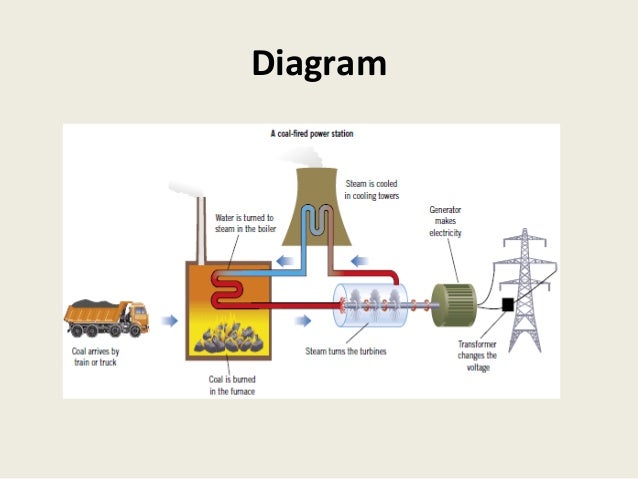
Thermal power stations use fossil fuels to produce thermal energy. Then the thermal energy is converted to mechanical energy, in order to generate electricity.
Fossil fuels which is connected to the rotor of a generator. The generator produces electricity, which is transported by a network of high voltage power lines.


  • Combined-cycle power stations.
Is generated in two systems. The first system burns natural gas with compressed air. This produces superhead gases, which turn a turbine to generate electricity.

The second system uses the hot gases from the first system and uses them to produce steam in a heat recovery boiler. Then the steam turns a turbine to generate more electricity. This makes combined-cycle stations more efficient that single-cycle stations.

Resultado de imagen de thermal power station that use fossil fuels


5.2. Nuclear power stations.

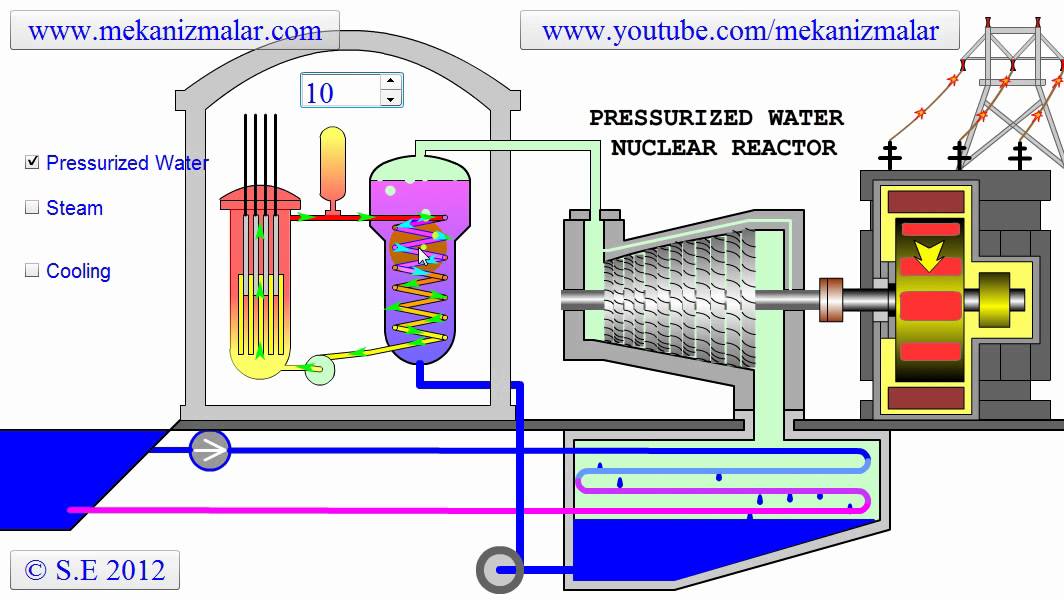
Resultado de imagen de nuclear power station


  • Advantages: are their productivity and profitability. They produce lots of electricity that can be sold a profit.
  • Disadvantages: are the risks of nuclear accidents and the management and storage of radioactive waste.

4. Electrical energy

Electrical energy is a form of energy that is transported by an electrical current.
Electrical energy is the most commonly used energy in modern, industrialised societies. There are many technological objects around us that use electricity.
Electricity is very common for two reasons:

  • It can be easily transformed into other types of energy, such us light and heat.
  • It can be transported over long distances in ways that are cheap and efficient.
4.1. Electric power stations.
A power station or generating station is a place where energy from natural resources is transformed into energy that we can consume. If the energy obtained is a electricity, it is called an electric power station.

  • How electricity is generated.
Electric power stations require sources of energy, such us the mechanical energy of falling water. They use generators used in power stations are called alternators.

An alternator usually has a stationary part, called stator, and a moving part, called a rotor. A turbine turns the axis of the rotor, which generates an alternating electric current in each of the stator's coils, which coincide with one of every two of the rotor's coils.

The turbine-altenator system is used at all power stations except for photovoltaic stations, which use a different type of technology.

4.2. The transportation and distribution of electricity.
Resultado de imagen de diagram of the transportation and distribution of electrical energy

The transportation of electrical energy inncludes:

  • Raising the voltage.
  • High voltage lines.
  • Reducing the voltage.

3. Energy sources.

Energy sources are natural resources that we can use to generate different forms energy. Then we can transform that energy for various purposes. We can classify energy sources into two general categories: renewable and non-renewable.

3.1. Non-renewable energy sources.
Non renewable energy sources come from natural resources that are limited and can be exhausted; it would take millions of years o regenerate these sources of energy. At the moment, the most commonly used energy sources are non-renewable. They include fossil fuels and nuclear energy, wich uses radioactive materials.

3.2. Renewable energy sources.
Renewable energy sources come from natural resources that we cannot use up completely. These include hydroelectric, solar, marine, geothermal and biomass resources, as well as energy that we can produce from solid urban waste.

Resultado de imagen de energy sources

2. Energy transformations.


  • A battery contains chemical energy which is transformed into electrical energy (electric current). Then a lightbulb transforms the electrical current into luminous and thermal energy.
  • The chemical energy in our muscles can be transformed into mechanical energy in order to move objects.
  • Chemical energy can be stored in fireworks. When fireworks explode, that chemical energy is coverted into light, heat, sound and mechanical energy.
  • Photovoltaic solar panels tranform luminous energy from the Sun into electrical energy.
  • A kitchen mixer converts electrical energy into kinetic energy to turn the machine's axis.
  • Internal combustion engines transform the chemical energy of fossil fuels into thermal energy. Most of this thermal energy is transformed into motion, but some is lost as heat. Some energy is also lost as sound when certain parts of the motor hit each other and vibrate.
  • In stars, the nuclear energy of atoms, such as hydrogen, is transformed into very intense luminous and thermal energy. 
Energy can be transformed, but it cannot be created or destroyed. This is the principle of energy conservation.

1. Energy.


Foods labels provide us information about the nutritional qualities of the food we eat. For example, the labels on the margin inform us about nutriotional qualities of the milk they go with. Thanks to this data, we can know the energy we'll get if we consume it.

In prehistoric times, muscular energy was the only source of energy that people had. Then different mechanism and machines were invented to make everyday tasks easier and improve people's quality of life.

1.1.Forms of energy.
Resultado de imagen de forms of energy table

1.2. Units of measurement for energy.
In the international System (IS), energy is measured in joules (J). When energy takes the form of heat, we often express it as calories (cal).
The relationship between calories and joules is: 1cal = 4.18J.

1.3. Power.
Power (P) is a measurement of how quickly work is done.
The power of a machine is the amount of work that it can do in a certain amount of time. We express this relationships as: P = W/t.
In the previous equation, P is power, expressed in Watts (W); W is work, expressed in joules; and t is time, expressed in seconds (s).

Energy conversion efficiency (%) = output/input · 100

Unit 6: ENERGY

INDEX:       1. Energy
                     2. Energy trasformations
                     3. Energy sources
                     4. Electrical energy
                     5. Electric power stations that use non-renewable energy sources.
                     6. Power stations that use renewable energy sources.
                     7. Enviromental impact.
                     8. How can we save energy?